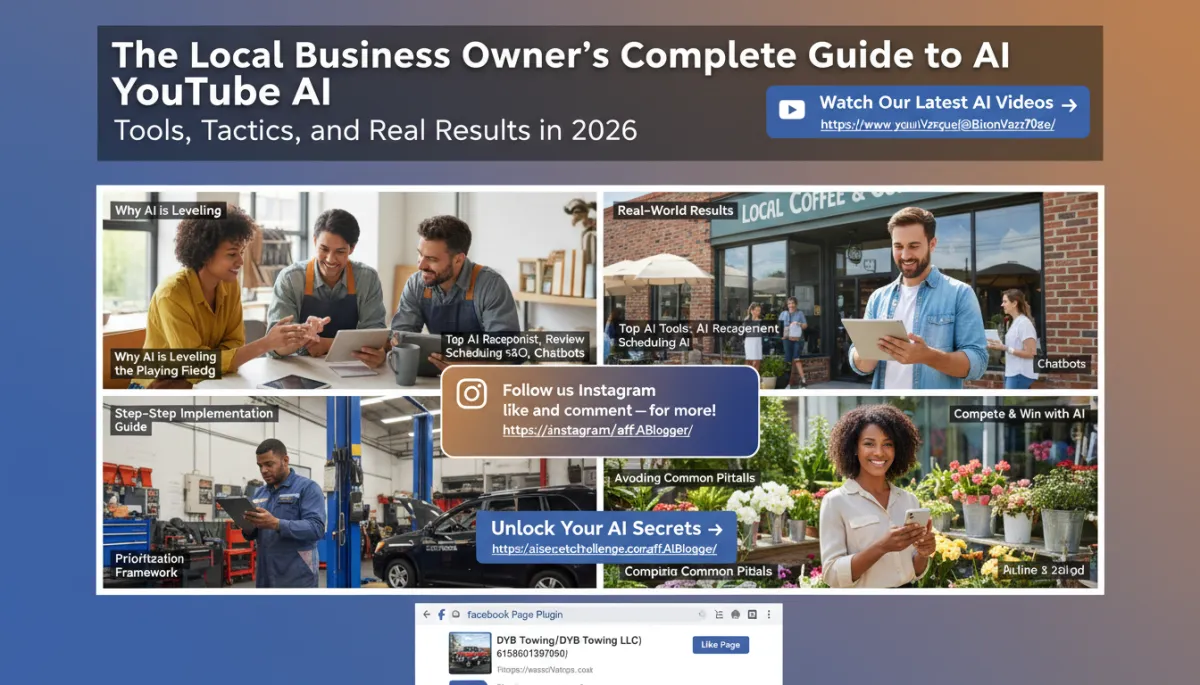
AI Guide for Local Businesses in 2026
🎬 Watch Our Latest AI Videos on YouTube — Watch Our Latest AI Videos on YouTube →
AI for local businesses 2026, local business AI tools, small business AI strategy
The Local Business Owner's Complete Guide to AI: Tools, Tactics, and Real Results in 2026
If you run a local shop, service business, or brick‑and‑mortar hustle in 2026 and you’re still “thinking about” AI, you’re already behind. This isn’t Silicon Valley toy tech anymore. AI is the new employee, the new marketing team, and the new operations manager rolled into one — and the businesses using it right now are quietly eating everyone else’s lunch.

Why Local Businesses Can No Longer Ignore AI in 2026
Let’s keep it blunt. In 2026, AI for local businesses is not optional. Nationwide, between 58% and 68% of small businesses are already using at least one AI tool, and most of them are not “tech companies” — they’re dentists, auto shops, salons, contractors, restaurants, and neighborhood retailers. According to multiple 2026 small business studies, owners using AI are saving 20+ hours a month and cutting $500–$2,000 in monthly costs while increasing leads and bookings.
Meanwhile, the businesses still stuck on pen‑and‑paper scheduling, manual review replies, and missed calls are bleeding money in silence. Customers don’t care that you’re “old school.” They care who answers fastest, who follows up, and who makes it easy to book and buy. AI technology for local entrepreneurs does exactly that — at a price that would’ve been impossible five years ago.
How AI Levels the Playing Field Against Big Brands
Big chains used to win because they had call centers, marketing teams, and data analysts. In 2026, a smart local owner with the right local business AI tools can punch way above their weight. You don’t need a 20‑person office — you need a tight small business AI strategy and a few well‑trained systems working 24/7.
- Speed: AI answers inquiries in seconds, not tomorrow morning.
- Consistency: Every lead gets followed up, every time, no excuses, no bad moods.
- Personalization: AI remembers customer preferences and recommends the right service or product at the right time.
Studies in 2026 show small businesses using AI see an average 5.8× ROI within 6–12 months. That’s not theory — that’s real money. Local clinics have boosted new bookings by nearly 50% with AI chatbots. Home service companies have seen 3–4× more qualified leads just by automating after‑hours responses. This is how local businesses use AI to claw back territory from national brands.
The Top AI Tools Every Local Business Should Know in 2026
Let’s break down the AI technology for local entrepreneurs that’s actually moving the needle right now — no fluff, just what works on the street.
1. AI Receptionist (Phone and SMS)
Missed calls are missed money. An AI receptionist answers your phone 24/7, handles common questions, books appointments, and can text back website leads automatically. For many small shops, this alone replaces a part‑time front desk hire — or finally covers evenings and weekends without burning out your team.
2. Review Management AI
In 2026, reviews are your real storefront. AI review tools automatically request feedback after visits, respond to Google and Facebook reviews in your voice, and flag negative comments before they explode. They also analyze patterns so you can see exactly what customers love — and what’s quietly costing you repeat business.
3. AI Scheduling and Staff Optimization
Smart scheduling AI predicts busy times, fills gaps, and reduces no‑shows with automatic reminders. For service businesses — salons, gyms, clinics, trades — this can mean 10–30% more billable appointments without adding hours to your day. Some tools even optimize staff shifts based on historical demand, so you’re not overstaffed on slow Tuesdays and slammed on Saturdays.
4. Local SEO and Content AI
Local SEO AI tools help you show up when people search “near me” in 2026. They audit your Google Business Profile, generate SEO‑tuned service pages, write blog posts, and even create social content tailored to your city and neighborhood. This is the backbone of AI for local businesses 2026 — being found before the competition.
5. AI Chatbots for Local Service Businesses
Website visitor at 11:47 p.m.? In 2026, you don’t lose that lead. A trained AI chatbot can answer questions, qualify the customer, give price ranges, and lock in a booking or estimate request on the spot. Real‑world data shows businesses using chatbots see 20–40% higher response rates and a serious bump in after‑hours conversions.
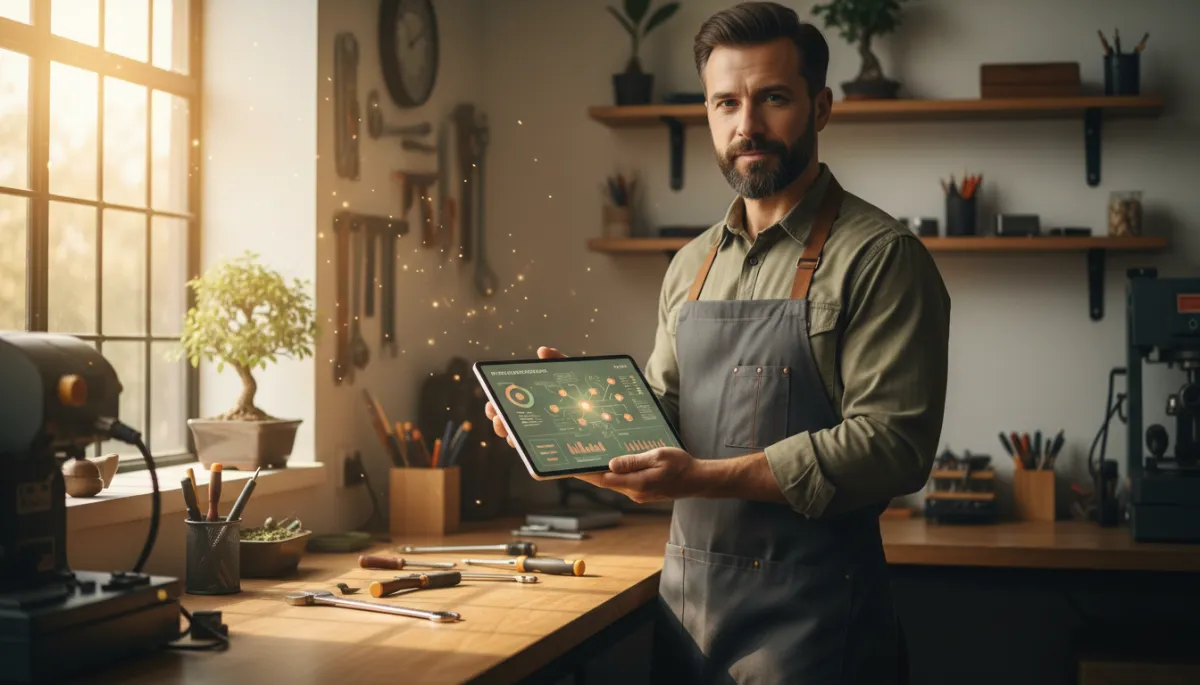
Owners using AI dashboards see patterns and profit leaks they used to miss entirely.
Real‑World Results Local Businesses Are Seeing in 2026
Across 2026 case studies, small businesses using AI report 30–90% efficiency gains in key workflows. A dental clinic boosted new patient bookings by 47%, with most of the extra appointments coming after hours thanks to an AI chatbot. A local plumbing company that automated lead capture and follow‑up saw a 340% increase in qualified leads. Accounting firms have cut invoice processing time by nearly 80% using AI document tools.
Most importantly, around 78% of small businesses that start using AI are still using it six months later. That means the tech isn’t just hype — it’s paying its own way and then some. The ones who quit usually didn’t have a plan, tried to automate chaos, or picked tools they never properly set up. That’s why you need a real strategy, not random apps.
📸 Follow us on Instagram: @aiemployers — like and comment for more!
Step‑by‑Step: How to Implement AI in Your Local Business in 2026
You don’t need to “become a tech company.” You need a street‑smart, no‑fluff rollout plan. Here’s how to build a small business AI strategy that actually sticks.
Step 1: Map the Money Leaks
For two weeks, track where you lose time and money:
- Missed calls and slow responses
- No‑shows and last‑minute cancellations
- Manual data entry and paperwork
- Slow review responses or no review requests at all
Those are your AI targets. Don’t start with “cool tools.” Start with expensive problems.
Step 2: Prioritization Framework — What to Automate First
Use this simple framework: High Impact × High Repetition × Low Judgment. Automate tasks that:
- Happen every day or every week (repetitive),
- Directly affect revenue or customer experience (high impact),
- Don’t require deep human judgment or emotion (low judgment).
For most local businesses in 2026, the first three AI wins are:
- Lead capture and follow‑up (AI receptionist + chatbot)
- Scheduling and reminders (AI calendar + SMS)
- Review generation and replies (review AI)
Step 3: Choose Tools That Play Nice With What You Already Use
One of the biggest 2026 headaches owners report is integration. Don’t stack random apps. Pick AI tools that connect to your booking software, CRM, or POS. Look for direct integrations with Google Business Profile, your website platform, and your calendar. This is where a guided program or expert saves you months of trial and error.
Step 4: Train the AI Like a New Employee
Too many owners flip a switch and expect magic. Treat AI like a rookie hire:
- Feed it your FAQs, prices, policies, and service descriptions.
- Give it example conversations in your tone — firm, friendly, or high‑end.
- Review transcripts weekly at first and correct mistakes.
Within a month, your AI will sound more like your business and less like a robot.
Step 5: Measure Ruthlessly — or Don’t Bother
One brutal stat from 2026: about 71% of small businesses say they use AI, but only 8% have tied it to specific outcomes. That’s how you burn money. For each AI tool, track:
- Leads or bookings per week (before vs. after)
- Hours saved per week
- Extra revenue or costs removed

Even small neighborhood shops now track AI‑driven revenue like serious enterprises.
Common AI Pitfalls Local Owners Must Avoid in 2026
Here’s where local businesses get smoked — not by AI itself, but by sloppy execution.
- Automating broken processes: If your pricing is unclear or your intake form is chaos, AI will just speed up the confusion. Fix the process, then automate.
- Buying tools with no strategy: Subscribing to five apps “just to try” is how you end up paying and not using anything. Start with one or two high‑impact tools tied to clear goals.
- No staff training: Your team needs to know when to let AI handle it and when to step in. Without that, things fall through the cracks.
- Ignoring data: AI tools spit out gold — call volumes, peak hours, common questions — but if you never look, you never optimize.
Ready to Get Serious? Join the AI Secrets Challenge
You can keep “researching AI” for another year while your competitors quietly automate, or you can get a battle‑tested playbook built for real‑world local businesses. If you want step‑by‑step guidance on exactly which tools to use, how to plug them into your existing systems, and how to track real ROI — not just vibes — it’s time to move.
The AI Secrets Challenge is designed for local shop owners, trades, clinics, and service businesses who are done guessing and ready to build a serious small business AI strategy that works in 2026’s competitive landscape.
👉 Click here to join the AI Secrets Challenge and start turning AI into real local revenue →
In 2026, AI is the difference between a business that survives and one that scales. The big brands are already in the game. The smart local owners are catching up fast. The only question left is whether you’ll still be “thinking about it” next year — or whether you’ll be the one they’re chasing.
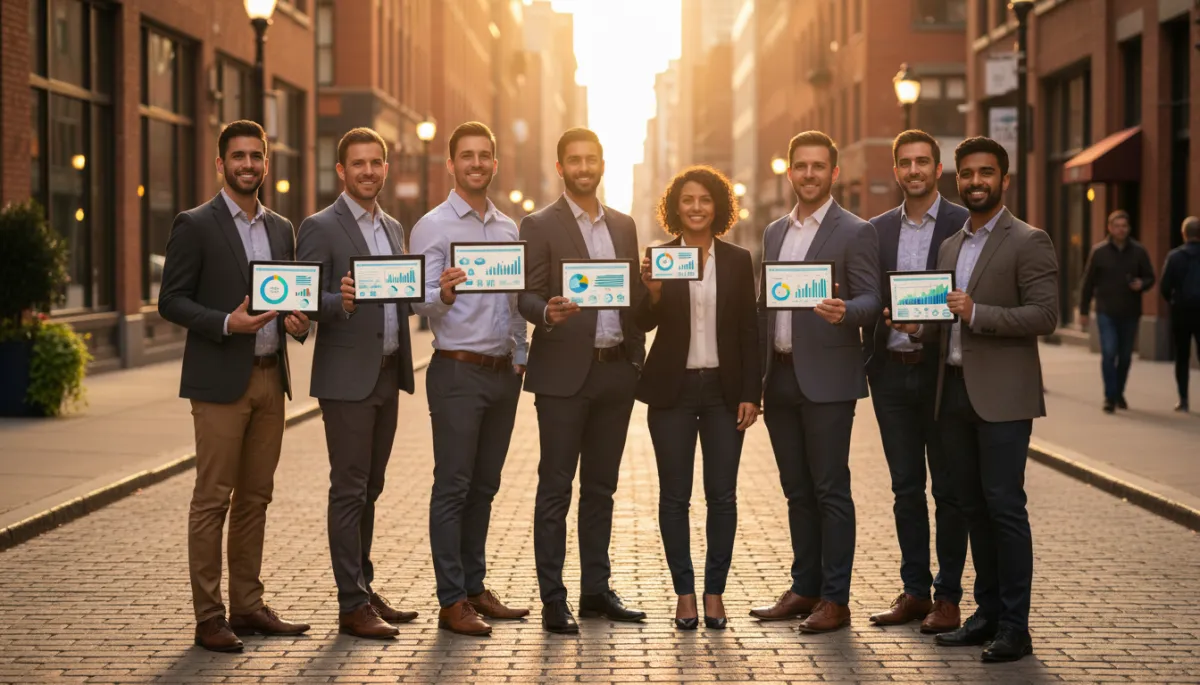
The 2026 winners are local owners who treat AI as core infrastructure, not a toy.
